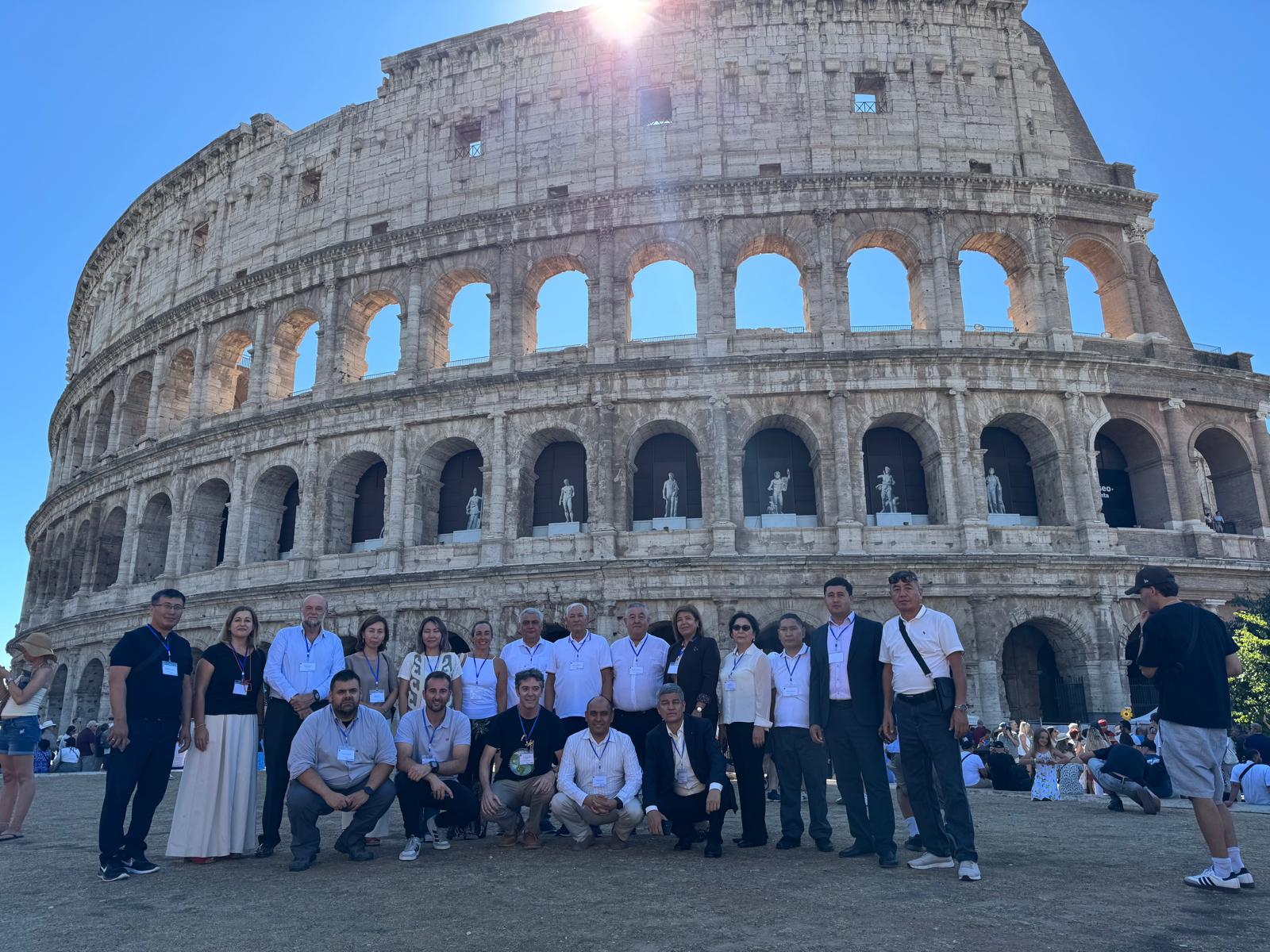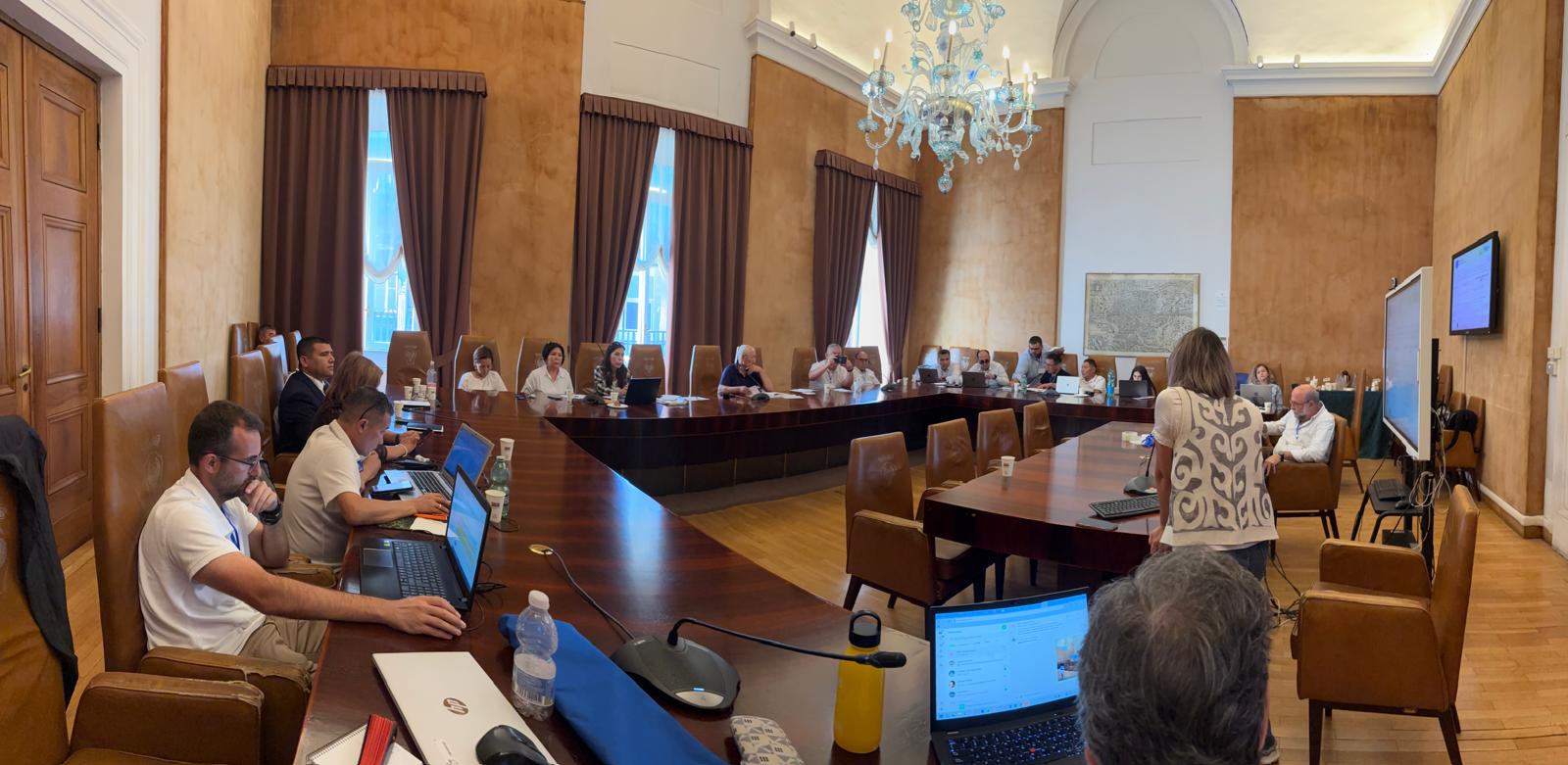
The meeting of the Steering Committee of the SILKWAY project held in Rome
As part of the Erasmus+ Capacity Building in Higher Education project SILKWAY, an in-person consortium meeting was organized from September 15 to 17,…
As part of the Erasmus+ Capacity Building in Higher Education project SILKWAY, an in-person consortium meeting was organized from September 15 to 17,…

During the week of June 15th, the third edition of the Blended Intensive Programme (BIP) “Strengthening Partnerships through Erasmus Cooperation Proj…

This forum, organised by the Spanish Service for the Promotion of Higher Education (SEPIE), brought together around twenty vice-chancellors from the …

On 14 May 2026, an Information Day was successfully held at Osh State University (OSU) as part of the Erasmus+ CBHE SILKWAY project. The main aim of …

An Infoday was held at Bukhara State University within the framework of the Erasmus+ SILKWAY project — "Developing Sustainable Skills in Electricity …

A new stage in the development of renewable energy potential and professional qualification in cooperation with the European Union. On April 24, 2026…

On April 23, 2026, Jalal-Abad State University named after B. Osmonov hosted an Information Day of the SILKWAY project, bringing together representat…

On 22 April 2026, the second Info Day of the SILKWAY Erasmus+ project was held at the Faculty of Physics and Mathematics of Urgench State University.…

On April 10, 2026, Urgench State University hosted an Info Day within the SILKWAY Erasmus+ project, bringing together representatives of leading regi…

On 19 February 2026, representatives from each team responsible for Work Package 6 convened for an online meeting. During the session, all relevant i…

Silkway — Development of transversal and sustainable skills in generating electricity and heat from renewable energy sources Aibek uulu Daniela is re…

The objective of WP6 is to establish and maintain a unified communication and dissemination framework for the project. This work package addresses fr…

As part of the SILKWAY project, the Osh State University team is responsible for Work Package 6 (WP6) – Communication and Dissemination, which plays …

On 26 and 27 November, the SILKWAY project Steering Committee held its face-to-face meeting at Tashkent State University. This meeting, the first phy…

Osh State University announces the winner of the competition for the best SILKWAY project logo! On 24 June 2025, Osh State University (OshSU) hosted …

Dear students, faculty, and staff, Jalal-Abad State University named after B. Osmonov invites you to take part in a series of webinars held on June 1…

The SILKWAY project “Development of transversal and sustainable skills for the production of electricity and heat from renewable energy” – Project 10…